


Hybrid vs Plug in Hybrid vs Electric Vehicles Leesburg FL Bog
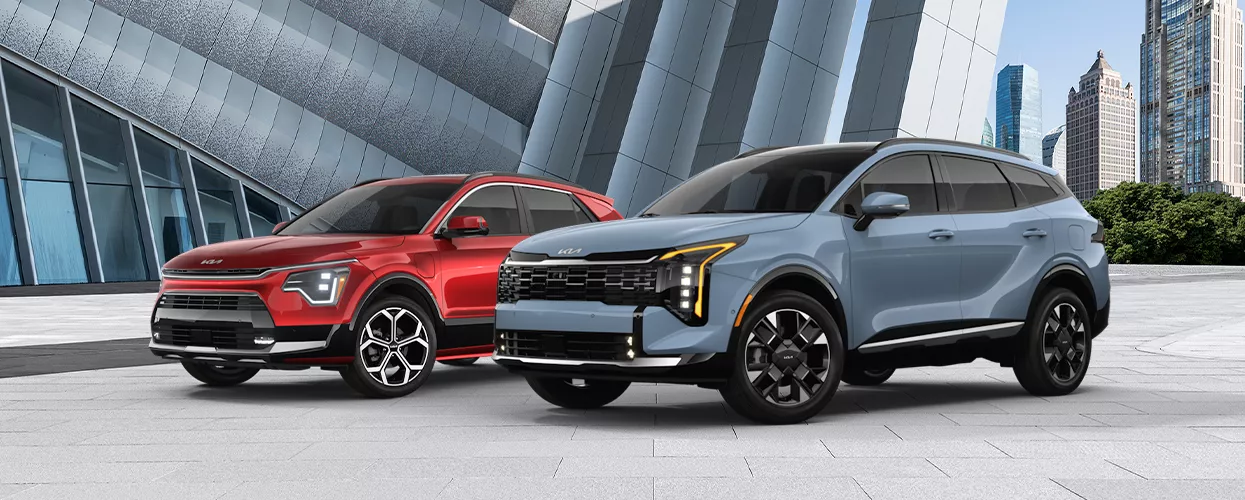
What Is the Difference Between Hybrid, Plug-In Hybrid, and Electric Vehicles?
As more drivers explore fuel-saving and environmentally conscious vehicles, many shoppers ask the same question: what is the difference between a hybrid, plug-in hybrid, and electric vehicle? Drivers in Leesburg, Fruitland Park, and The Villages often want a vehicle that balances efficiency, convenience, range, and practicality for daily Florida driving. While all three types of vehicles use electricity in some way, they operate differently and fit different lifestyles. At Kia of Leesburg, drivers can compare hybrid, plug-in hybrid, and fully electric Kia models to determine which option best fits their driving habits and long-term goals.
Hybrid, Plug-In Hybrid, and Electric Vehicles All Use Electricity Differently
The biggest difference between these vehicle types is how they generate and use electric power.
Here’s a simple breakdown:
- Hybrid vehicles use both gasoline and electric power automatically without needing to plug in
- Plug-in hybrid vehicles combine gasoline engines with larger rechargeable batteries that can drive short distances on electricity alone
- Electric vehicles operate entirely on battery power without using gasoline
Each option offers different advantages depending on commuting habits, charging access, and driving preferences.
How Hybrid Vehicles Work
Why Hybrid Vehicles Are Popular
Hybrid vehicles combine a gasoline engine with an electric motor to improve fuel efficiency.
The system automatically switches between:
- Gasoline power
- Electric assistance
- Combined operation when needed
Why Drivers Like Hybrids
Drivers often choose hybrids because they offer:
- Better fuel economy than traditional gas vehicles
- No need to plug in for charging
- Familiar driving experience
How This Helps Florida Drivers
Drivers commuting around Leesburg and The Villages often benefit from hybrid efficiency during stop-and-go traffic and daily commuting.
Popular Kia hybrid models may include:
- Kia Sportage Hybrid
- Kia Niro Hybrid
How Plug-In Hybrid Vehicles Work
Why Plug-In Hybrids Are Different
Plug-in hybrid vehicles, often called PHEVs, use larger batteries than traditional hybrids and can drive short distances using electricity alone before switching to gasoline power.
Drivers can recharge the battery by:
- Plugging into a home charger
- Using public charging stations
Why PHEVs Appeal to Many Drivers
Plug-in hybrids offer:
- Electric-only driving for short trips
- Gasoline backup for longer drives
- Reduced fuel consumption compared to standard hybrids
How This Fits Florida Lifestyles
Drivers with shorter daily commutes around Fruitland Park and Leesburg may complete most daily driving using electricity while still having gasoline available for longer trips.
Popular Kia plug-in hybrid models may include:
- Kia Sportage Plug-In Hybrid
- Kia Sorento Plug-In Hybrid
How Electric Vehicles Work
Why EVs Operate Differently
Electric vehicles use only battery power and electric motors without any gasoline engine.
Instead of filling up at a gas station, EVs recharge through:
- Home charging systems
- Public charging stations
Why Drivers Choose EVs
Electric vehicles offer several benefits, including:
- Zero gasoline usage
- Instant electric acceleration
- Quiet driving experience
- Reduced routine maintenance needs
How This Benefits Florida Drivers
Drivers with predictable commuting routes and access to charging may find EV ownership highly convenient and cost-effective.
Popular Kia EV models include:
- Kia EV6
- Kia EV9
How Charging Requirements Differ
Why Charging Matters
One major difference between these vehicle types is charging behavior.
- Hybrids do not require plugging in
- Plug-in hybrids benefit from regular charging but can still operate on gasoline
- EVs require charging to operate
How Home Charging Improves Convenience
Many EV and plug-in hybrid owners choose home charging because it allows overnight charging similar to charging a smartphone.
How Driving Habits Affect Vehicle Choice
Why Lifestyle Matters
The best vehicle type depends heavily on:
- Daily commute distance
- Access to charging
- Long-distance travel frequency
- Fuel economy priorities
How Different Drivers Benefit Differently
Hybrid vehicles often work best for drivers wanting simplicity and fuel savings without charging concerns.
Plug-in hybrids appeal to drivers wanting electric commuting flexibility with gasoline backup.
EVs often fit drivers who want maximum efficiency and have consistent charging access.
How Maintenance Requirements Differ
Why Electrified Vehicles Can Reduce Maintenance
Electric motors and regenerative braking systems may reduce wear on certain components compared to traditional gas vehicles.
EVs generally require:
- Fewer oil-related services
- Less drivetrain maintenance
How Hybrids and PHEVs Still Need Gasoline Maintenance
Because hybrids and plug-in hybrids still use gasoline engines, they still require some traditional maintenance services.
How Fuel Savings Compare Between Vehicle Types
Why Efficiency Varies
Fuel savings depend on:
- Driving style
- Commute length
- Charging frequency
- Highway versus city driving
How Florida Drivers Can Maximize Efficiency
Drivers throughout Leesburg and The Villages often benefit from electrified vehicles because city traffic and frequent shorter trips can favor electric and hybrid systems.
How Kia Technology Supports Electrified Driving
Why Modern Technology Matters
Kia electrified vehicles often include features such as:
- Regenerative braking systems
- Drive mode selection
- Real-time energy monitoring
- Smartphone charging integration
How This Improves the Driving Experience
These technologies help drivers monitor energy use and improve efficiency during everyday driving.
How Kia of Leesburg Helps Drivers Compare Electrified Vehicles
Why Personalized Guidance Matters
At Kia of Leesburg, drivers in Leesburg, Fruitland Park, and The Villages can compare hybrid, plug-in hybrid, and EV models based on:
- Commute length
- Charging access
- Passenger and cargo needs
- Budget and fuel-saving goals
Why Test Drives Help Simplify Decisions
Driving different electrified vehicles helps shoppers experience the differences in acceleration, quietness, efficiency, and charging convenience firsthand.
Expert Tips for Choosing Between Hybrid, Plug-In Hybrid, and EV Models
Choosing the right electrified vehicle depends on your lifestyle and long-term goals. Here are expert tips from Kia of Leesburg:
- Think About Your Daily Driving Distance
Short commutes may favor plug-in hybrids or EVs. - Consider Charging Access Carefully
Home charging convenience is important for EV ownership. - Evaluate Long-Term Fuel Savings
Hybrid and electric models can reduce fuel costs significantly over time. - Research Local Charging Infrastructure
Public charging availability may affect EV convenience. - Test Drive Multiple Electrified Models
Each type delivers a different driving experience and ownership style.
These strategies help drivers throughout Central Florida choose the vehicle that best fits their needs.
Explore Electrified Kia Vehicles in Leesburg
Hybrid, plug-in hybrid, and electric vehicles each offer unique advantages depending on how and where you drive. Whether you want the simplicity of a hybrid, the flexibility of a plug-in hybrid, or the fully electric experience of an EV, Kia offers multiple electrified models designed for efficiency, comfort, and modern technology.
At Kia of Leesburg, drivers in Leesburg, Fruitland Park, and The Villages can explore electrified Kia vehicles with guidance tailored to their driving habits and lifestyle. With the right combination of efficiency, convenience, and practicality, finding the ideal hybrid or electric vehicle becomes much easier.
0 comment(s) so far on Hybrid vs Plug in Hybrid vs Electric Vehicles Leesburg FL Bog